

Back-to-School Transitions: Helping Kids and Families Find Their Rhythm
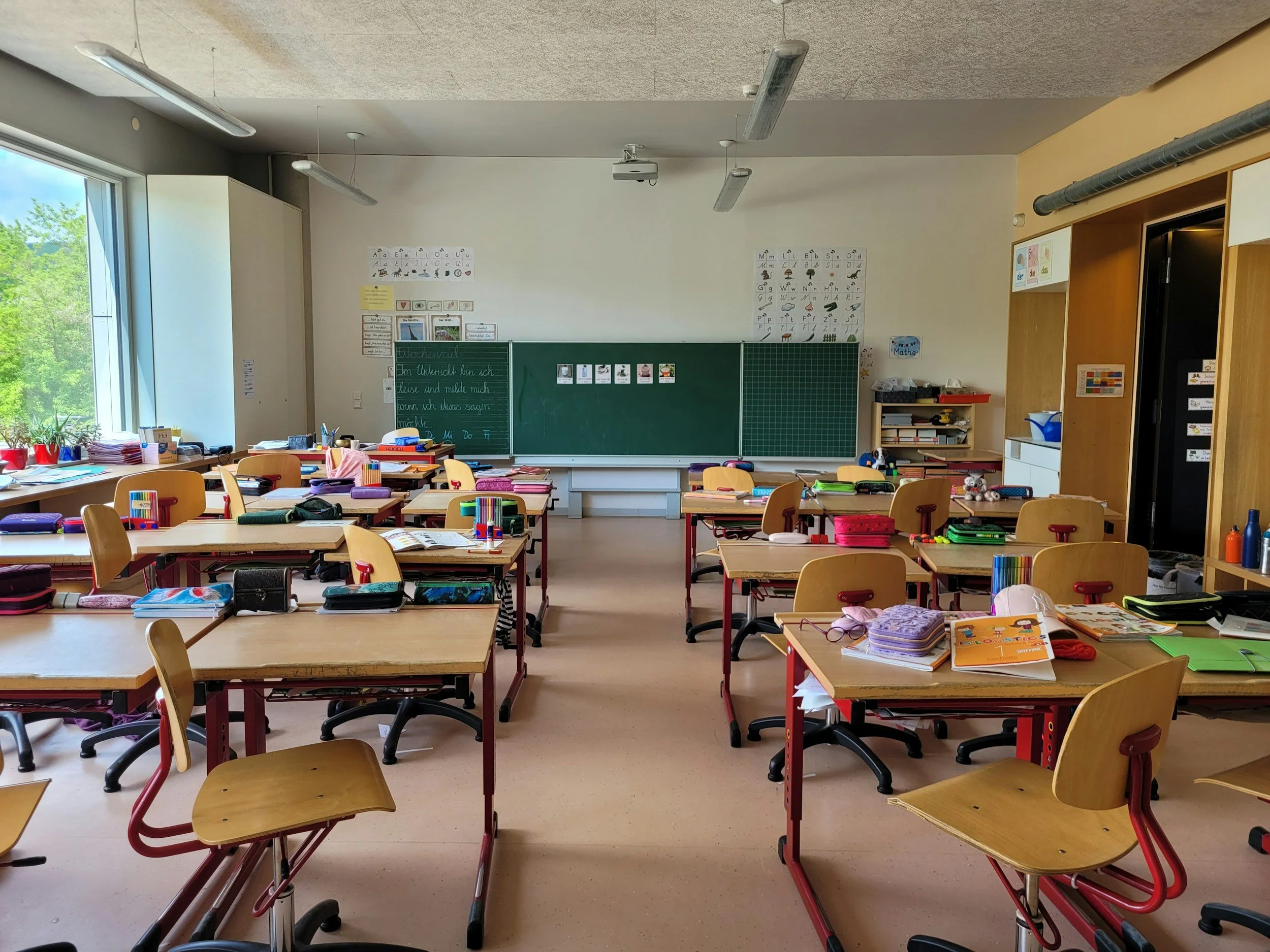
The beginning of a new school year can bring a surprising mix of emotions. There may be excitement about seeing friends, anticipation about new teachers and activities, and relief at returning to a familiar routine. At the same time, school transitions can bring anxiety, irritability, sleep problems, stomachaches, meltdowns, or a sudden desire to stay home.
And it isn't only children who feel the transition. Parents often do, too.
Whether your child is starting kindergarten, entering middle school, beginning high school, changing schools, or simply moving into a new grade, the transition from summer back to school requires adjustment.
Why School Transitions Can Feel So Big
Children generally do better when they know what to expect. Summer often offers greater flexibility, later bedtimes, fewer demands, and more control over how the day unfolds.
Then school begins.
Suddenly there are alarms, schedules, academic expectations, social dynamics, extracurricular activities, homework, and much less downtime.
Even positive change requires the brain to adapt.
For children who experience anxiety, ADHD, autism, sensory sensitivities, learning differences, or difficulty with transitions, the beginning of the school year may feel especially overwhelming.
Sometimes that stress doesn't look like anxiety at all.
It may look like:
Irritability or arguing
Trouble falling asleep
Frequent stomachaches or headaches
Crying over seemingly small things
Increased clinginess
Difficulty getting out the door
Emotional meltdowns after school
Withdrawal from family
Negative statements about school or themselves
Asking repeatedly for reassurance
Suddenly saying, "I don't want to go to school"
These behaviors aren't necessarily signs that something is seriously wrong. They may simply mean that a child's emotional resources are being stretched while they adjust.
Expect an Adjustment Period
One of the most helpful things parents can do is allow the transition to be a transition.
Your child doesn't have to have everything figured out during the first week.
New teachers have different expectations. Friend groups shift. Classrooms feel unfamiliar. Academic demands change. Even navigating a new building can require considerable mental energy.
Give children some time to settle into their new normal.
Rather than asking, "Why aren't you used to this yet?" consider asking:
"What still feels hard right now?"
That small shift communicates curiosity rather than pressure.
Rebuild Routine Before Expecting Perfection
Predictability can help calm an overwhelmed nervous system.
Consistent wake-up times, meals, homework routines, evening downtime, and bedtimes give children fewer things to mentally negotiate throughout the day.
The routine doesn't need to be elaborate.
In fact, simpler is often better.
A basic rhythm of wake up → school → decompress → homework/activities → dinner → wind down → sleep can provide enough structure to make the day feel manageable.
If mornings are particularly difficult, preparing backpacks, clothing, lunches, and other necessities the night before can eliminate several potential points of conflict.
Protect the After-School Decompression Period
Many children hold themselves together remarkably well throughout the school day and fall apart once they reach home.
Parents sometimes wonder:
"The teacher says they're doing great. Why am I getting this completely different child?"
Home is often where children finally feel safe enough to release everything they've been managing.
Before immediately asking about homework, grades, missing assignments, or what happened at school, consider giving your child some time to decompress.
That might mean:
A snack
Quiet time
Playing outside
Music
Drawing
Spending time with a pet
Physical activity
Twenty minutes alone in their room
Connection often works better after regulation.
Be Curious About School Anxiety
When a child says, "I hate school," it can be tempting to immediately reassure them:
"You'll be fine."
They probably will be—but first, find out what "I hate school" means.
It could mean:
"I'm afraid I won't know anyone."
"Lunch is overwhelming."
"I'm worried about getting lost."
"Math is really hard for me."
"Someone is being mean to me."
"I'm exhausted."
"I don't know where I fit in."
Instead of immediately solving the problem, try:
"What's the hardest part about school right now?"
You may get much more useful information.
Don't Overschedule the Transition
The beginning of the school year can quickly become packed with sports, clubs, lessons, appointments, homework, and social commitments.
Activities can be wonderful, but children also need unstructured recovery time.
If your child seems unusually exhausted, irritable, or emotionally overwhelmed during the first several weeks of school, look at the entire schedule—not just what is happening in the classroom.
Sometimes the solution isn't another coping strategy.
Sometimes the child simply needs more rest.
Remember That Parents Are Adjusting Too
Back-to-school season can create pressure for adults as well.
There are schedules to coordinate, forms to complete, transportation to arrange, lunches to prepare, activities to manage, and countless messages arriving from schools.
Parents may also carry their own worries:
Will my child make friends?
Will they struggle academically?
Will this teacher understand them?
What if this year is like last year?
Children often notice our anxiety even when we don't say it aloud.
You don't have to pretend you're never worried. But communicating confidence can help your child borrow some of yours:
"We don't know exactly what this year will look like yet, but we'll figure things out as they come."
When the Transition Doesn't Get Easier
Some nervousness, irritability, fatigue, and resistance can be normal during a school transition.
But if several weeks pass and your child continues to experience significant distress—or things are getting worse rather than better—it may be worth looking more closely.
Persistent school refusal, panic, frequent physical complaints, major sleep disruption, significant changes in eating, ongoing sadness, social withdrawal, intense emotional outbursts, or a noticeable decline in functioning deserve attention.
Sometimes school difficulty is the first visible sign of anxiety, depression, ADHD, bullying, learning challenges, social difficulties, or another concern that a child hasn't been able to explain.
Therapy can provide children and adolescents with a neutral place to understand what they're experiencing, develop coping skills, improve emotional regulation, and build confidence navigating school and relationships.
A New School Year Doesn't Have to Start Perfectly
There is tremendous pressure surrounding fresh starts.
New school year. New teacher. New schedule. New expectations.
But successful transitions rarely happen overnight.
Children—and adults—need time to find their footing.
There will probably be forgotten water bottles, rough mornings, friendship drama, missed assignments, tears, and days when everyone is simply tired.
That's okay.
The goal isn't a flawless transition.
The goal is helping children learn that change can feel uncomfortable, they can ask for help, difficult feelings eventually pass, and they are capable of adapting to something new.
Those lessons extend far beyond the classroom.
Northern Star Counseling provides counseling services for children, adolescents, adults, couples, and families in Cheyenne and through telehealth across Wyoming. If your child or family is struggling with anxiety, emotional regulation, school stress, ADHD, autism, relationships, or another life transition, our team is here to help.