

Caregiver Burnout: When Caring Becomes Unsustainable
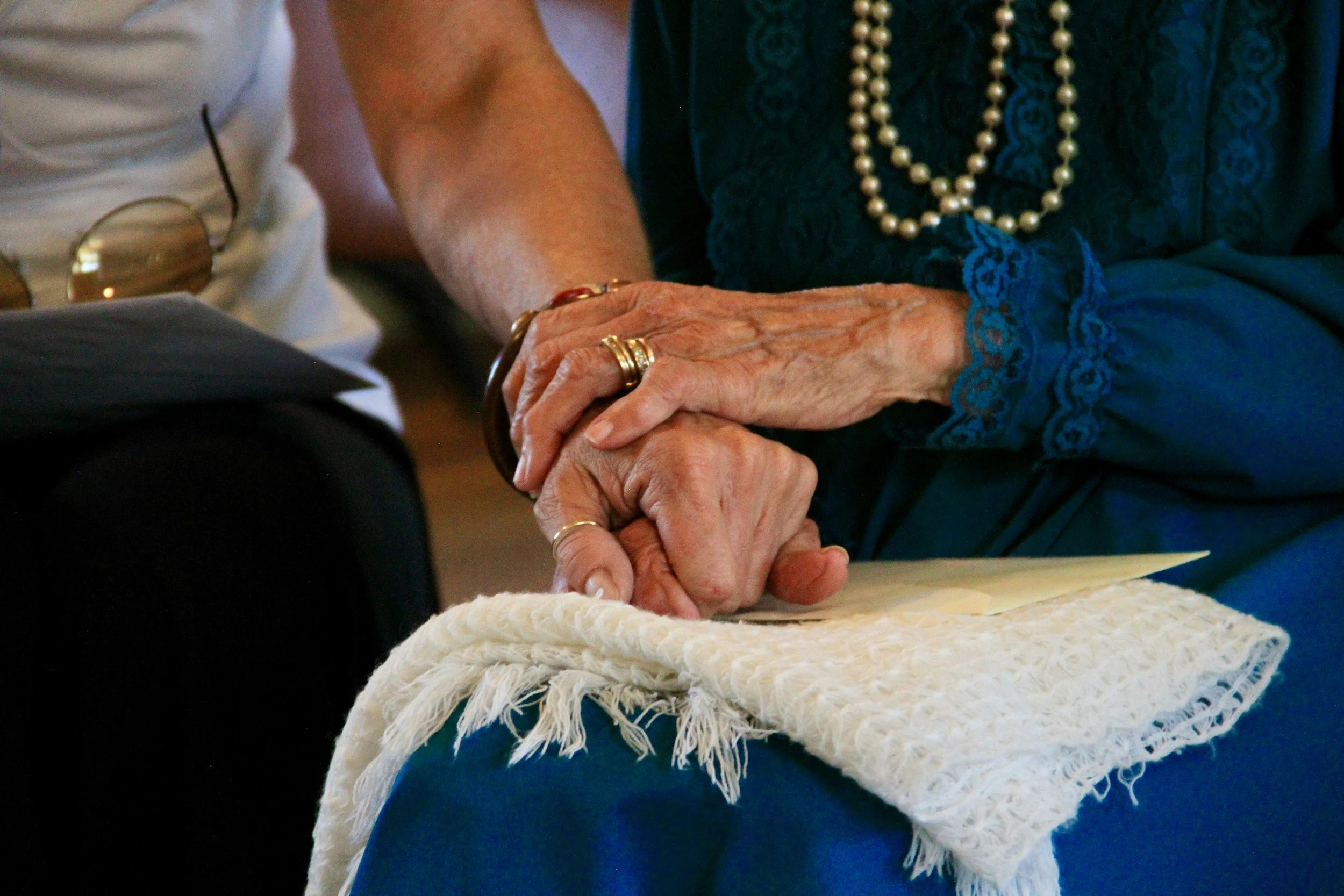
Caregiving is often described as an act of love — and it is.
But love does not make a nervous system limitless.
Caregiver burnout happens when ongoing emotional, physical, and psychological demands exceed a person’s capacity to recover. It is not a personal failure, a lack of resilience, or a sign that someone “isn’t cut out” for caregiving. It is a predictable response to chronic strain.
What caregiver burnout actually looks like
Burnout is not always dramatic. In fact, it often looks quiet.
Common signs include:
Persistent exhaustion that sleep doesn’t fix
Emotional numbness or irritability
Feeling “stuck,” shut down, or overwhelmed by simple tasks
Guilt for wanting space, rest, or relief
Loss of interest in things that once mattered
A sense that life has narrowed to responsibility alone
Many caregivers say:
“I don’t feel like myself anymore.”
That experience is real — and understandable.
Why caregivers burn out (even the strong ones)
Caregiving often involves:
Long-term responsibility with no clear end point
High emotional stakes
Little control over outcomes
Interrupted sleep and routines
Ongoing vigilance and decision-making
Over time, the nervous system shifts into survival mode. When stress never fully resolves, the body may respond with fatigue, depression, anxiety, or shutdown.
Burnout is not caused by caring too much.
It happens because care never pauses.
Burnout vs. depression: what’s the difference?
Caregiver burnout and depression often overlap — and sometimes occur together.
A key distinction:
Burnout is driven by external demands exceeding capacity
Depression can persist even when demands lessen
In caregivers, burnout can become depression if support and relief are not introduced. This is why early recognition matters.
Why “self-care” alone isn’t enough
Many caregivers are told to:
“Take time for yourself”
“Set better boundaries”
“Practice more self-care”
While well-intentioned, this advice often misses the point.
Burnout is not solved by bubble baths when the underlying structure remains unsustainable. Real recovery usually requires:
Practical support
Permission to reduce expectations
Psychological space to be more than a role
Professional help when symptoms persist
A different way to think about recovery
In therapy, we often reframe burnout as a capacity problem, not a motivation problem.
Helpful questions include:
What is being asked of your system right now?
Where is recovery supposed to happen — and is it actually possible?
Who are you outside of responsibility?
What would care look like if it included you?
Recovery rarely means “doing more.”
It often begins with doing less — intentionally and without shame.
When to consider professional support
You may want to seek counseling if:
Burnout has lasted for months
You feel emotionally flat, hopeless, or trapped
Guilt prevents you from resting or asking for help
Your physical health is being affected
You’re caring for someone with chronic illness, disability, or high needs
Therapy can help caregivers:
Rebuild a sense of self beyond the role
Learn how to work with limits instead of fighting them
Address trauma, grief, and loss that often accompany caregiving
Reduce depression and emotional shutdown
You are not failing — you are overloaded
Caregiver burnout is not a sign that you don’t care enough.
It is a sign that you have been carrying too much for too long.
Support is not weakness.
It is sustainability.
If you or someone you love is experiencing caregiver burnout
Northern Star Counseling provides outpatient mental health services for individuals navigating caregiver stress, depression, trauma, and chronic life strain. Support is available — and you don’t have to reach a breaking point to deserve it.